
-

What Is Recredentialing in Healthcare & Why It Matters for Patient Safety, Compliance & Revenue
Recredentialing is a critical process in healthcare that ensures providers remain compliant, maintain patient safety, and safeguard revenue. Discover why recredentialing matters, its impact on your practice, and best practices to stay ahead of deadlines.

-

How Primary Care Practices Can Prevent Eligibility-Related Claim Denials Before the Visit
Eligibility-related claim denials often begin before the patient is seen. Here is how primary care practices can improve pre-visit insurance verification, reduce front-end errors, and protect revenue.
-

AI-Powered Insurance Denials Are Rising: What Primary Care Practices Need to Do Now
AI-powered insurance denials are increasing across healthcare, creating new challenges for primary care practices. This article explains the risks, impact on revenue cycle management, and practical steps to reduce denials and improve reimbursement performance.

-

Top 7 KPIs Every Healthcare Practice Should Track in Revenue Cycle Management (RCM)
Efficient Revenue Cycle Management is essential for the financial success of every practice. Discover the top 7 KPIs—from Days in A/R to Clean Claim Rate—that empower you to streamline operations and improve patient satisfaction.
-

How Personalization Increases Patient Retention: 5 Proven Strategies That Actually Work
Learn how personalized communication and data-driven care strategies increase patient retention, trust, and satisfaction in healthcare.
-

The Future of Telehealth: Top Trends to Watch in 2026
Telehealth is transforming healthcare delivery in the United States. As we move toward 2026, emerging technologies like artificial intelligence, remote patient monitoring, and hybrid care models are reshaping how physicians deliver care. This article explores the key telehealth trends, reimbursement updates, and opportunities that medical practices should understand to improve patient outcomes and maximize revenue…


-

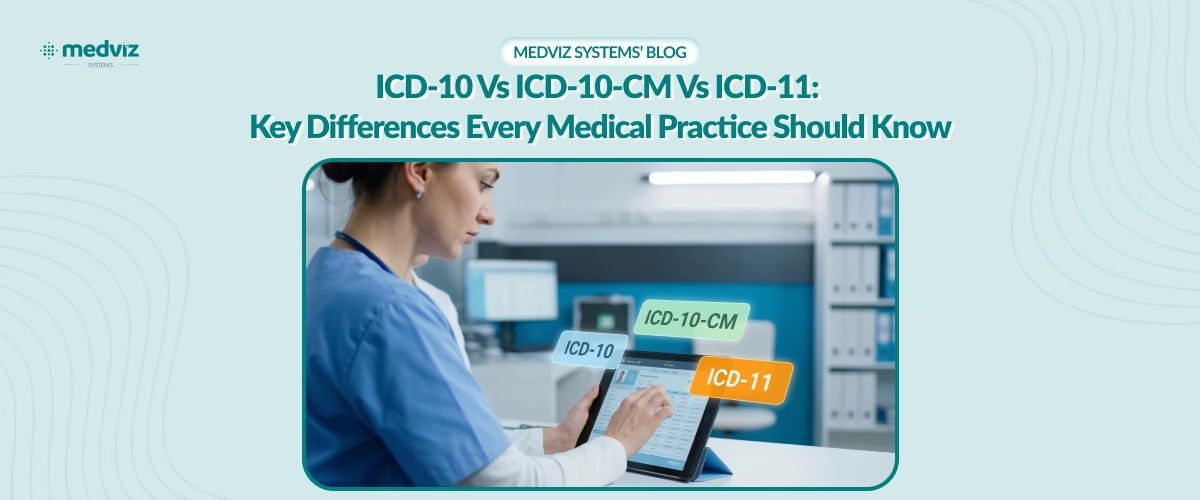
ICD-10 vs ICD-10-CM vs ICD-11: Key Differences Every Medical Practice Should Know
Understanding the differences between ICD-10, ICD-10-CM, and ICD-11 is crucial for medical practices. This article breaks down each coding system’s purpose, features, and how they impact diagnosis coding, insurance billing, and regulatory compliance. Stay informed about the future of medical coding and how to prepare your practice for upcoming changes.
-

How Automation is Transforming Independent Medical Practices
Automation is revolutionizing how independent medical practices manage billing, revenue cycles, and administrative workflows. Learn how integrating automation tools can reduce errors, increase efficiency, improve patient experiences, and enhance financial performance. Discover how your practice can stay competitive and thrive in a tech-driven healthcare landscape.
-

From Appointment to Payment: How Financial Engagement at Intake Boosts Revenue and Reduces Denials
Financial engagement at intake is key to boosting revenue and reducing claim denials in healthcare. By addressing financial responsibilities upfront, providers can streamline the billing process, improve cash flow, and enhance patient satisfaction. Learn best practices and how technology plays a crucial role in optimizing the revenue cycle.
-

Understanding the CMS 1500 Form: Your Essential Guide to Medical Billing Success
The CMS 1500 form is essential for accurate medical billing and timely insurance reimbursement. This complete guide explains what the form is, who uses it, how to fill it out correctly, common mistakes to avoid, and how it compares to the UB-04. Perfect for healthcare providers looking to reduce claim denials and improve revenue cycle…