
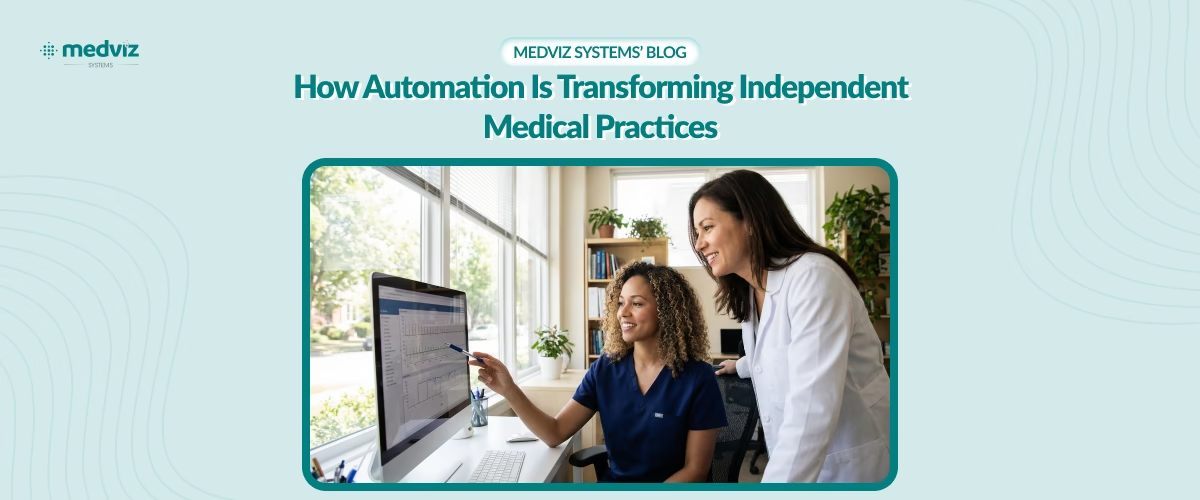
Independent medical practices are experiencing a major shift as automation becomes integral to managing both operations and finances. Emerging technologies like artificial intelligence (AI), machine learning, and automated billing systems are reshaping key processes such as medical billing and revenue cycle management (RCM).
For practices aiming to boost efficiency, minimize errors, and enhance financial performance, embracing automation is essential.
This article delves into how automation is revolutionizing the administrative landscape, outlines its benefits and challenges, and provides actionable steps for practices to thrive in an increasingly automated healthcare environment.
What Healthcare Automation Means for Independent Practices
Healthcare automation uses intelligent software tools to handle repetitive administrative and financial tasks that were traditionally done manually. These tasks often include verifying insurance eligibility, submitting claims, validating medical codes, managing claim denials, and posting payments. Automated systems streamline these essential workflows so practice staff can work faster and more accurately.
By automating these processes, practices significantly reduce human error, accelerate operational workflows, and free up staff to focus on higher‑value activities such as patient care and strategic planning. Automation also supports better data management and improves overall efficiency, making it easier for practices to run smoother and achieve stronger financial performance.
How Automation Is Transforming Medical Billing and Revenue Cycle Management
Improved Accuracy and Reduced Billing Errors
Manual billing processes often lead to mistakes, resulting in delayed reimbursements and higher denial rates. Automation systems, however, can validate claims, ensure compliance with payer rules, and detect missing information before submission. This streamlining of processes leads to cleaner claims, faster payments, and reduced rework.
Automated billing tools handle repetitive tasks traditionally managed manually, freeing up administrative staff to focus on more complex issues. As a result, practices save time, reduce human error, and improve overall workflow efficiency.
Smart Denial Prevention and Claims Management
Automation tools powered by predictive intelligence analyze past claim data to identify patterns that often lead to denials. By using this data, practices can correct issues before submitting claims, significantly reducing the chances of rejection and improving reimbursement rates.
These tools also streamline denial tracking and follow‑up processes, enabling staff to resolve issues faster and more efficiently. The result? Fewer denied claims, quicker resolution times, and healthier cash flow for the practice.
Real‑Time Financial Reporting and Insight
Automation offers real‑time dashboards that track vital financial metrics such as clean claim rates, denial trends, accounts receivable (AR) days, and reimbursement timelines. These insights allow practice leaders to make data‑driven decisions and address bottlenecks before they escalate.
By having immediate access to key performance indicators, practices can respond proactively to challenges, fine-tune revenue cycle strategies, and optimize overall operational performance.
Benefits of Automation for Independent Medical Practices
Greater Operational Efficiency
Automation streamlines repetitive tasks, freeing up staff to focus on activities that directly enhance patient care and foster revenue growth. Tasks such as patient registration, eligibility checks, claims submission, follow-up, billing, and reporting are some of the key functions that benefit from automation.
By automating these processes, practices can handle higher workloads without needing to add proportional administrative staff. This leads to more efficient use of resources and smoother day‑to‑day operations.
Reduced Administrative Costs and Enhanced Cash Flow
Automation improves billing accuracy and accelerates claim processing, resulting in healthier cash flow and reducing costs related to delayed reimbursements and claim denials. By eliminating unnecessary manual work and minimizing the risk of errors, practices save time and money.
Moreover, automation brings consistency to workflows across the revenue cycle. This consistency helps practices streamline collections, improve their financial health, and reduce operational inefficiencies.
Improved Patient Experience
Automation enhances the patient experience by improving communication and transparency. Features such as automated appointment reminders, clear billing statements, and digital cost estimators ensure patients have accurate financial information, leading to fewer billing surprises and a better overall experience.
Moreover, simplified billing and payment options increase patient satisfaction and encourage timely payments, contributing to a healthier relationship between patients and practices.
Scalability for Practice Growth
As practices grow, whether through expanded services or increased patient volumes—automation allows them to scale operations without significantly increasing administrative staffing. Automated systems handle the increasing volume of claims, eligibility checks, and billing tasks with the same level of efficiency, ensuring consistent performance as the practice evolves.
This scalability gives independent practices a competitive edge, helping them stay sustainable and agile in an ever‑changing healthcare environment.
Challenges Practices May Face When Implementing Automation
Initial Investment and System Integration
Investing in automation tools requires an upfront cost, as well as thoughtful integration with existing systems such as electronic health records (EHRs) and practice management software. It’s crucial for practices to select automation tools that align with their current workflows and technology infrastructure to ensure smooth and effective implementation.
Improper integration of these systems can create data silos and inefficiencies, which can prevent practices from fully realizing the benefits of automation. Ensuring compatibility between new and existing systems is essential for maximizing automation’s potential.
Staff Training and Adoption
The successful implementation of automation tools requires staff training and a shift in existing workflows. Practices need to create a comprehensive training plan to help staff understand new technologies and integrate them into their day‑to‑day activities. Without clear guidance and support, even the most powerful automation tools can be underutilized or misused.
Ongoing support and feedback are key to ensuring that staff are comfortable with new systems and able to adapt to changing workflows efficiently.
Data Security and Compliance Responsibilities
Automated systems handle sensitive patient and financial information, making data security a top priority. Practices must implement robust security measures to protect this information and ensure compliance with privacy regulations, such as HIPAA.
Failure to maintain secure systems and comply with regulations can expose practices to legal risks and financial penalties. Regular audits, cybersecurity training, and clear data management policies are essential for safeguarding patient information and mitigating potential risks.
Steps to Prepare for Automation Adoption
Identify Workflow Bottlenecks
Begin by evaluating which manual tasks consume the most time or are prone to errors. Common areas to examine include insurance eligibility checks, medical coding, claims submission, and denial follow‑up. Identifying and prioritizing these workflows for automation can lead to immediate and measurable benefits, such as reduced errors and faster processing times.
Select the Right Automation Tools
When choosing automation solutions, ensure they integrate smoothly with your practice’s current systems, such as electronic health records (EHRs) and practice management software. Focus on tools that support multiple stages of the revenue cycle, from billing to reporting, and provide robust reporting and dashboard capabilities to offer real‑time insights and help you manage performance.
Support Staff Through Training
Proper staff training is essential for successful automation adoption. Provide team members with clear guidance on how automated systems function and how they can use them effectively. Encourage feedback and maintain open communication during the transition period to ensure that staff members feel confident and supported in utilizing the new technology.
Measure Key Performance Metrics
To gauge the impact of automation, track key metrics such as clean claim rates, denial rates, days in accounts receivable (AR), and collection percentages. These performance indicators will help you quantify automation’s success, identify areas for improvement, and continuously refine processes to maximize efficiency.
Conclusion
Automation is transforming the way independent medical practices manage billing, revenue cycle management (RCM), and administrative workflows. By embracing automation, practices can significantly enhance operational efficiency, reduce billing errors, improve financial performance, and offer better patient experiences.
As the healthcare landscape continues to evolve, automation empowers practices to stay competitive, adapt to industry changes, and build long‑term resilience. Investing in automation today positions your practice for future success, enabling it to thrive in a rapidly changing healthcare environment.
Optimize Your Practice with Automation: Unlock Efficiency and Enhance Financial Performance
To truly optimize your practice’s operations and boost financial performance, embracing automation in billing and revenue cycle management is essential. By streamlining workflows, reducing errors, and speeding up reimbursement processes, you’ll not only enhance your financial health but also provide a better patient experience.
For expert guidance in implementing automated billing solutions and optimizing your revenue cycle, Medviz Systems offers customized solutions that drive efficiency and improve financial outcomes for independent medical practices.
Take the next step in automating your practice’s operations:
- Phone: +1 (727) 214-2749
- Email: success@medviz.ai

Leave a Reply